Complete Bihar Travel Guide: Best Places to Visit, Food, Culture & Itinerary
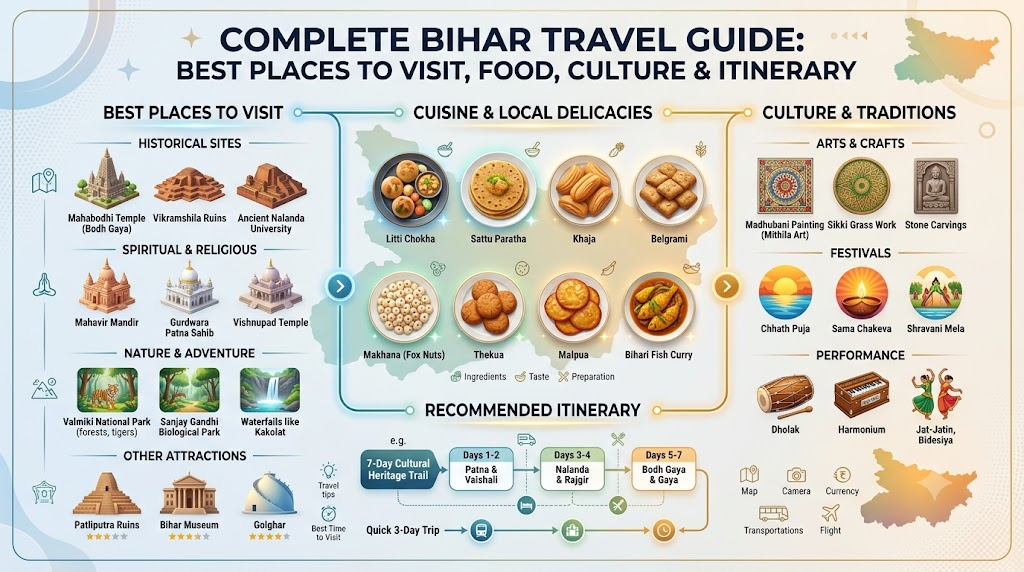
Bihar carries a legacy that has shaped the history of the Indian subcontinent for thousands of years. As the birthplace of major world religions, ancient universities, and vast empires, the state offers travelers a deep dive into heritage, spiritual philosophy, and distinct regional culture. Beyond its historical landmarks, Bihar presents scenic nature reserves, traditional art forms, and a celebrated culinary heritage.Whether you are a pilgrim seeking spiritual solace, a history enthusiast exploring ancient ruins, or a curious traveler exploring eastern India, understanding how to navigate the state enhances your journey. This comprehensive guide covers key tourist destinations, local traditions, regional cuisine, transport options, and practical itineraries to help you plan your trip smoothly. For detailed local insights, news updates, and state resources, Mera Apna Bihar serves as a helpful companion for travelers and residents alike.
What Makes Bihar a Unique Travel Destination?
Bihar stands out as a core destination for heritage and spiritual tourism in Asia. Situated along the fertile plains of the Ganga basin, the state’s geographical layout supported early urban settlements and philosophical centers that continue to draw global interest.
- Spiritual Heritage: Central site for both Buddhist and Jain traditions, drawing international pilgrims to Bodh Gaya, Rajgir, and Vaishali.
- Ancient Learning Centers: Home to Nalanda and Vikramshila, which hosted international scholars centuries ago.
- Imperial History: Center of the Magadha, Maurya, and Gupta empires, offering architectural and archaeological ruins.
- Ecological Diversity: Features protected forests like Valmiki National Park alongside natural hot springs and river systems.
Key Facts About Bihar Tourism
- Capital: Patna (ancient Pataliputra)
- Primary Language: Hindi, alongside regional languages including Maithili, Bhojpuri, Magadhi, and Angika.
- Major Rivers: Ganga, Gandak, Kosi, and Sone.
- Ideal Travel Window: October to March, when seasonal temperatures remain mild for outdoor sightseeing.
- Primary International Hub: Gaya International Airport (seasonal and international flights) and Jay Prakash Narayan Airport in Patna.
Top Places to Visit in Bihar
1. Bodh Gaya
Located in the Gaya district, Bodh Gaya is one of the world’s most significant Buddhist pilgrimage sites. It is here, under the Bodhi Tree, that Siddhartha Gautama attained enlightenment and became the Buddha.
- Mahabodhi Temple Complex: A UNESCO World Heritage Site featuring a 50-meter-tall grand spire and intricate stone carving work dating back to the Gupta and post-Gupta periods.
- The Bodhi Tree: Situated directly behind the main temple, marking the sacred site of enlightenment.
- International Monasteries: Monasteries built by various Buddhist nations—including Thailand, Japan, Bhutan, Tibet, and Sri Lanka—displaying distinct architecture.
- Great Buddha Statue: A 25-meter-tall sandstone statue built in a seated meditation posture.
- Practical Tip: Wear comfortable, easy-to-remove footwear, as shoes are not permitted within temple precincts.
2. Rajgir
Encircled by five scenic hills, Rajgir served as the ancient capital of the Magadha Empire. It holds immense historical and religious value for Buddhists, Jains, and Hindus.
- Vulture’s Peak (Griddhakuta): The hill site where the Buddha delivered key discourses. Reachable by foot or a ropeway chairlift.
- Vishwa Shanti Stupa: A white peace pagoda built atop Ratnagiri Hill, overlooking the surrounding forests.
- Rajgir Hot Springs (Brahmakund): Natural thermal springs situated at the base of Vaibhava Hill, known for their mineral content.
- Cyclopean Wall: Ancient stone fortification remnants that once encircled the city, demonstrating early masonry.
- Rajgir Glass Bridge & Nature Safari: A modern eco-tourism addition located near the dense forest area, popular for nature walks and scenic views.
3. Nalanda
Located just 15 kilometers from Rajgir, Nalanda preserves the red-brick ruins of one of the ancient world’s premier residential universities, which flourished between the 5th and 12th centuries CE.
- Nalanda Mahavihara Archaeological Ruins: A UNESCO World Heritage Site consisting of ancient stupas, lecture halls, dormitories, and monasteries.
- Nalanda Archaeological Museum: Located opposite the main complex, displaying bronzes, terracotta figures, and stone sculptures excavated from the area.
- Hiuen Tsang Memorial Hall: A hall constructed in honor of the Chinese scholar who studied and taught at Nalanda during the 7th century.
4. Patna
The modern state capital combines historical monuments with riverfront public spaces along the Ganga.
- Golghar: A granary built in 1786 by the British following the famine of 1770, offering panoramic views of the city and river from its top.
- Patna Sahib Gurudwara (Takht Sri Patna Sahib): The birthplace of Guru Gobind Singh Ji, the tenth Sikh Guru, making it a major Sikh pilgrimage site.
- Bihar Museum: A modern world-class facility displaying regional history, ancient artifacts, indigenous art, and historical sculptures.
- Kumhrar: Archaeological site preserving structural remains from the Mauryan period, including pillars from an ancient assembly hall.
5. Vaishali
An ancient city historically recognized for hosting one of the world’s earliest republics under the Licchavis. It is also deeply connected to Lord Mahavira and Lord Buddha.
- Ashokan Pillar: A well-preserved single-piece sandstone pillar topped with a carved lion capital, erected by Emperor Ashoka.
- Ananda Stupa & Relic Stupa: Structural sites associated with the Buddha’s final sermon and the preservation of his ashes.
- Vishwa Shanti Stupa (Vaishali): A memorial pagoda situated next to a serene lake.
6. Sasaram
Located in southwestern Bihar, Sasaram features impressive medieval Islamic architecture.
- Tomb of Sher Shah Suri: A 45-meter-high red sandstone mausoleum built inside an artificial lake, showcasing Indo-Islamic design.
- Rohtasgarh Fort: A grand hill fort situated on the Rohtas plateau overlooking the Sone River valley.
7. Valmiki National Park
Situated in the West Champaran district along the Indo-Nepal border, this park offers a nature destination for eco-tourists and wildlife enthusiasts.
- Landscape & Wildlife: Dense sal forests and grassland habitats hosting tigers, leopards, wild elephants, sloth bears, and migratory birds.
- Activities: Guided jungle safaris, river rafting along the Gandak River, and nature trails.
Comparison of Key Bihar Tourist Destinations
| Destination | Major Highlight | Ideal Stay Duration | Accessibility |
| Bodh Gaya | Mahabodhi Temple, Monasteries | 1–2 Days | Gaya Airport (12 km), Gaya Junction Rail (16 km) |
| Rajgir | Vishwa Shanti Stupa, Hot Springs | 1–2 Days | Rajgir Rail Station, Patna Airport (100 km) |
| Nalanda | Ancient University Ruins | 1 Day | Connected by road to Rajgir (15 km) and Patna |
| Patna | Bihar Museum, Patna Sahib | 1–2 Days | Airport & Direct Railway Lines |
| Vaishali | Ashokan Pillar, Buddha Relic Stupa | 1 Day | Road access from Patna (55 km) |
| Sasaram | Sher Shah Suri Tomb | 1 Day | Sasaram Junction, Road via NH 19 |
| Valmiki Nagar | Valmiki National Park | 2 Days | Bettiah Rail Head (80 km), Road access |
Bihar Culture, Heritage, and Art Forms
Bihar’s cultural landscape features ancient craft traditions, folk music, and distinct regional painting styles.
- Mithila (Madhubani) Painting: Originating from the Mithila region, this world-renowned art form uses natural dyes, bamboo twigs, and geometric patterns to depict mythology, nature, and social events.
- Manjusha Art: A traditional line-art form native to the Angika region (Bhagalpur), characterized by snake motifs and sequential storytelling.
- Bhojpuri and Maithili Folk Traditions: Deeply tied to agricultural cycles and domestic celebrations, featuring traditional instruments like the dholak and harmonium.
- Handlooms: Bhagalpur is known for producing Tussar silk, earning it the title of the “Silk City.”
Famous Food of Bihar
Traditional Bihari cuisine relies heavily on locally sourced grains, pulses, seasonal vegetables, and mustard oil. It balances simple preparation with rich, distinct flavors.
- Litti Chokha: Whole wheat dough balls stuffed with spiced roasted gram flour (sattu), baked over charcoal, dipped in ghee, and served with mashed spiced eggplant, tomato, and potato.
- Sattu Drinks: Roasted gram flour mixed with water, lemon juice, roasted cumin, and black salt—consumed as a refreshing, nutrient-rich beverage.
- Khaja: A layered, crispy sweet pastry dipped in sugar syrup, native to Silao (near Rajgir) and holding a Geographical Indication (GI) tag.
- Tilkut: A winter sweet preparation made from sesame seeds and melted jaggery or sugar, widely produced in Gaya.
- Dal Pitha: Steamed rice-flour dumplings stuffed with seasoned lentils or spiced potatoes, serving as a healthy breakfast dish.
- Thekua: A sweet snack made from wheat flour, jaggery, and coconut, deep-fried in ghee. It serves as the primary ceremonial offering during Chhath Puja.
Key Festivals of Bihar
- Chhath Puja: The most prominent festival in Bihar, dedicated to the Sun God (Surya) and Chhathi Maiya. Spanning four days, it involves strict fasting, ritual bathing, and offering arghya to the setting and rising sun at riverbanks.
- Sama-Chakeva: Celebrated during winter in the Mithila region, honoring the bond between brothers and sisters through clay figurines and traditional folk songs.
- Rajgir Mahotsav: An annual cultural event held in Rajgir featuring music performances, classical dances, and local artisan stalls.
- Sonepur Cattle Fair: Held at the confluence of the Ganga and Gandak rivers near Patna, this historical fair is one of Asia’s largest livestock markets, combined with cultural performances and craft markets.
Practical Travel Itineraries for Exploring Bihar
Option A: The Golden Heritage Circuit (3-Day Trip)
- Day 1: Patna: Arrive in Patna. Visit the Bihar Museum, Golghar, and Patna Sahib in the afternoon. Enjoy a evening walk near the Ganga Ghats.
- Day 2: Nalanda & Rajgir: Drive to Nalanda early morning (2 hours). Explore the Nalanda Mahavihara ruins. Proceed to Rajgir. Take the ropeway to Vishwa Shanti Stupa and visit Griddhakuta.
- Day 3: Bodh Gaya: Travel from Rajgir to Bodh Gaya (2 hours). Spend the day visiting the Mahabodhi Temple, the Bodhi Tree, and nearby international monasteries. Depart via Gaya Junction or Gaya Airport.
Option B: The Nature & History Combination (5-Day Trip)
- Day 1: Arrival in Patna – Heritage sightseeing and culinary sampling.
- Day 2: Patna to Vaishali – Visit the Ashokan Pillar and Peace Stupa; proceed to Rajgir for an evening hot spring bath.
- Day 3: Rajgir to Nalanda & Bodh Gaya – Ruins tour, followed by afternoon travel to Bodh Gaya.
- Day 4: Bodh Gaya to Sasaram – Visit Sher Shah Suri’s tomb and drive down toward Western Bihar.
- Day 5: Return to Patna or proceed toward Varanasi via rail connectivity.
Practical Travel Tips for Bihar Visitors
- Seasonal Planning: Schedule heritage visits between October and March to avoid peak summer temperatures.
- Transportation: Major towns are well-connected by Indian Railways. Hiring private vehicles is recommended when traveling between connected sites like Rajgir, Nalanda, and Bodh Gaya.
- Respectful Attire: Dress modestly when visiting active places of worship, monasteries, and rural sites.
- Local Verification: Always check regional museum schedules, as many remain closed on Mondays.
- Information Access: For reliable local guides, employment updates, educational notices, and cultural news across the state, bookmark resources on Mera Apna Bihar.
FAQs About Bihar Travel and Information
1. What are the top tourist places to visit in Bihar?
The top places to visit in Bihar include Bodh Gaya, Rajgir, Nalanda, Patna, Vaishali, Sasaram, and Valmiki National Park. These destinations cover ancient Buddhist and Jain heritage, medieval architectural monuments, modern museums, and wildlife reserves across the state.
2. What is the best time of year to visit Bihar?
The best time to visit Bihar is during the winter months, from October to March. During this period, the weather remains cool and comfortable for sightseeing, exploring ruins, attending seasonal festivals, and outdoor eco-tourism activities.
3. Is Bihar safe for domestic and international travelers?
Yes, major tourist hubs like Bodh Gaya, Rajgir, Nalanda, and Patna welcome thousands of domestic and international visitors every year. Exercising standard travel safety precautions, using trusted transportation options, and booking verified accommodation ensures a smooth journey.
4. What is the most famous food to try in Bihar?
Litti Chokha is the most famous dish from Bihar. Other popular dishes include Sattu drinks, Dal Pitha, Silao Khaja, Gaya Tilkut, and seasonal sweet items like Thekua, which offer a full taste of traditional local culinary practices.
5. How many days are needed for a complete Bihar trip?
A 3 to 5-day itinerary is sufficient to cover key historical and spiritual sites like Patna, Nalanda, Rajgir, and Bodh Gaya. If you wish to visit nature reserves like Valmiki Nagar or western heritage sites like Sasaram, extend your plan to 7 days.
6. How do I reach Bodh Gaya and Rajgir easily?
Gaya Junction is the nearest major railway hub for Bodh Gaya, located about 16 km away. Gaya Airport also handles international charter flights seasonally. For Rajgir, travelers can take trains directly or travel by road from Patna, which takes around 2.5 to 3 hours.
7. Why is Nalanda historically significant?
Nalanda was home to Nalanda Mahavihara, one of the ancient world’s oldest residential universities. Established in the 5th century CE, it attracted thousands of scholars and students from across Asia to study philosophy, astronomy, mathematics, and medicine.
8. What is the significance of Chhath Puja in Bihar?
Chhath Puja is Bihar’s most significant cultural and religious festival. Dedicated to the Sun God, it emphasizes purity, environmental connection, and family gatherings. Devotees observe strict fasts and gather along riverbanks to make evening and morning offerings to the sun.
9. Can I visit wildlife sanctuaries in Bihar?
Yes, Valmiki National Park in West Champaran offers jungle safaris, tiger reserve sightings, and nature trails. Additionally, Rajgir Nature Safari features a glass skywalk, zip lines, and peaceful forest spaces for nature lovers.
10. Where can I find reliable local updates on Bihar news, culture, and travel guides?
You can visit Mera Apna Bihar for regularly updated travel guides, historical features, local food highlights, educational notices, and cultural news from across the state.
Conclusion
Bihar provides travelers with a deep connection to ancient history, spiritual heritage, and vibrant local traditions. From the peaceful monasteries of Bodh Gaya and the historic ruins of Nalanda to the natural appeal of Rajgir and the rich culinary flavors of Litti Chokha, the state offers diverse experiences for every type of visitor. By planning your trip during the ideal winter months and following a well-structured itinerary, you can easily explore the best of what the state has to offer. For more travel ideas, regional news, cultural insights, and practical state updates, explore Mera Apna Bihar as your trusted resource for everything related to Bihar.
Leave a Reply