Beyond the Capital: A Fresh Look at Amaravati’s Heritage and Travel Scene
Introduction
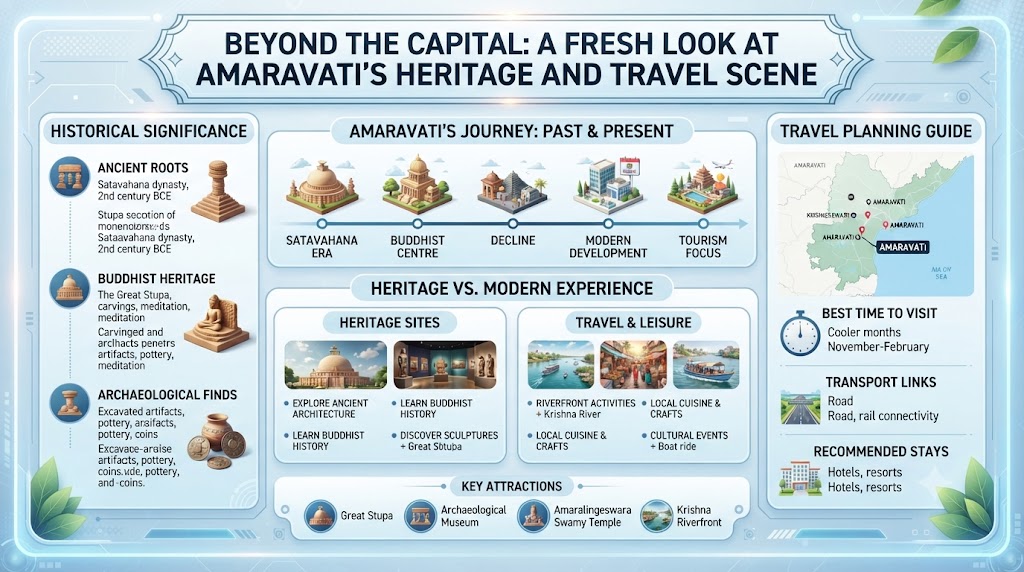
Travel planning often focuses on standard tourist checklists, but destinations with deep historical layers deserve a more thoughtful approach. Resting quietly along the sweeping curves of the Krishna River, Amaravati presents a fascinating study in contrasts. It is a place where ancient monastic ruins sit alongside the quiet rhythms of modern small-town life, offering travelers something far more substantive than a quick photo opportunity.Uncovering what makes this region tick requires looking past surface-level itineraries. Whether you are a history buff drawn to ancient Satavahana artistry or a family looking for a meaningful weekend getaway, understanding how to navigate the area changes everything. This guide cuts through generic travel tropes to offer a grounded, realistic look at exploring Amaravati, its cultural landmarks, and its surrounding treasures without the fluff.
Why Amaravati Demands a Closer Look
Most people hear the name Amaravati and immediately think of administrative maps or grand political blueprints. Yet, long before modern blueprints were drawn, this land was a bustling metropolis of faith, art, and philosophy. It was a cradle of the ancient Buddhist world, where master sculptors carved intricate limestone panels that would eventually find homes in museums across the globe.
For the modern visitor, this history isn’t tucked away behind impenetrable academic walls; it is woven directly into the local landscape. Walking through these areas gives you a rare sense of continuity. You aren’t just observing history from behind a velvet rope—you are standing in a geography that has shaped the cultural pulse of Andhra Pradesh for over two millennia.
Engaging Experiences and Activities
Instead of treating your trip as a race to check off monuments, look for experiences that connect you with the region’s rhythm. Here is how to shape your time:
- Immerse Yourself in Ancient Art: Spend uninterrupted time studying the structural layouts of early monastic complexes and structural foundations that once anchored international trade and spiritual exchange.
- Dive Deep into Museum Archives: Dedicate a quiet afternoon to studying preserved relics, coins, and sculptural fragments that tell the story of a golden age in South Indian art.
- Embrace the River Life: Shift your pace by spending the late afternoon near the Krishna River, watching local life unfold against a backdrop of open waters and wide horizons.
- Engage with Local Neighborhoods: Step away from the main tourist trail to explore everyday markets, sample local Andhra flavors, and talk with residents who call this historic district home.
- Track Regional Gatherings: Keep an eye out for regional workshops, art exhibits, or cultural meetups. Platforms like AmaravatiOrbit.com offer handy updates on local events and community activities happening around town.
Key Landmarks Worth Your Time
A well-crafted itinerary doesn’t need to be overcrowded. Focusing on a few core locations ensures a richer, more rewarding experience.
The Historic Stupa Grounds
The sprawling remnants of the ancient Mahachaitya serve as the intellectual anchor of the region. Walking around these protected earthworks gives you a tangible sense of scale, helping you visualize how massive and influential this religious center once was at its peak.
The Archaeological Repository
Operated under national preservation guidelines, the local museum houses an incredible collection of art pieces. The detailed limestone carvings depicting various chapters of Buddhist folklore offer a masterclass in ancient narrative storytelling.
Sacred Spaces and Living Traditions
The spiritual continuity of the region is personified in sites like the Amareshwara Temple. These active places of worship offer a vibrant window into how ancient religious customs continue to thrive in daily practice today.
Tracing the Historical Blueprint
To truly appreciate Amaravati, it helps to understand its heavyweight status in ancient history. During the rule of the Satavahanas and later dynasties, this area was an international crossroads. Monks, merchants, and scholars converged here, creating a distinct aesthetic known as the Amaravati School of Art.
This artistic style didn’t stay local; it traveled across maritime trade routes, heavily influencing temple and sculptural designs throughout Southeast Asia. Recognizing this global footprint adds immense depth to what might otherwise look like simple piles of old brick and stone.
| Experience Type | Ideal Audience | Recommended Window |
| Archaeological Sites | History enthusiasts and researchers | Early Morning |
| Museum Galleries | Families and art students | Post-Lunch |
| Riverside Promenades | Slow travelers and photographers | Sunset |
| Local Neighborhoods | Culture seekers and foodies | Flexible |
Crafting a Seamless Weekend Itinerary
Two days is the sweet spot for a meaningful exploration of Amaravati. It gives you enough breathing room to absorb the history without burning out.
A Balanced Two-Day Plan
Day 1: Uncovering Ancient Roots
- Morning: Start early at the main stupa ruins to beat the heat and enjoy the quiet morning atmosphere among the historical grounds.
- Afternoon: Head over to the local archaeological museum to examine the intricate sculptures and contextualize what you saw in the morning.
- Evening: Wind down with a quiet walk along the Krishna Riverbanks, followed by dinner at a traditional local eatery.
Day 2: Culture, Community, and Craft
- Morning: Pay a visit to the historic Amareshwara Temple to observe traditional rituals and architectural details.
- Afternoon: Browse local community spaces, art displays, or check if any weekend workshops or cultural programs are taking place nearby.
- Evening: Grab a final cup of local coffee and catch the evening transition in town before heading home.
Practical Realities of Traveling Here
Every destination has its quirks, and traveling through Amaravati requires a bit of practical foresight to keep things smooth.
- Timing is Everything: Museums and heritage properties have strict operating hours and weekly closures. Always double-check before heading out.
- Dress with Intention: Because many sites hold deep religious or archaeological value, opt for modest, comfortable clothing that respects local customs.
- Beat the Andhra Sun: The regional climate can turn quite intense by noon. Save your walking tours for the cooler morning hours or late afternoon.
- Logistics Matter: Public transit between scattered archaeological pockets can be sparse. Having a dedicated car or reliable local taxi arrangement saves considerable hassle.
- Stay Plugged Into Local Happenings: For travelers looking to catch local art scenes or weekend community events, checking portals like AmaravatiOrbit.com provides a great pulse on what’s active during your specific dates.
Practical Tips / Key Takeaways
- Front-load your heavy sightseeing to the morning hours to keep cool and avoid mid-day fatigue.
- Give the museum exhibits the time they deserve rather than rushing through the galleries.
- Pack sturdy walking shoes—exploring expansive archaeological grounds means logging quite a few steps.
- Keep your plans flexible so you can easily pivot if you stumble upon a local festival or community gathering.
10 FAQs
1.What are the must-visit locations in Amaravati?
Key stops include the ancient Amaravati Stupa site, the local archaeological museum, and the historic Amareshwara Temple, all of which highlight the area’s rich past.
2.What activities can travelers enjoy here?
Visitors can explore archaeological ruins, study ancient art collections, take peaceful walks by the Krishna River, tour historic temples, and explore local food and markets.
3.Why is Amaravati historically famous?
It is renowned as a major ancient center of Buddhist art and learning, giving birth to the influential Amaravati School of Art that shaped sculpture across Asia.
4.How can I pack a full experience into a single day?
A single day is best spent touring the primary stupa and museum in the morning, visiting a major temple in the afternoon, and wrapping up by the river at sunset.
5.What kind of events take place in the area?
The region frequently hosts cultural programs, regional festivals, educational seminars, art exhibitions, and community gatherings that highlight local traditions.
6.How do I find out about events happening today?
Checking regional community boards, local listings, and digital event platforms like AmaravatiOrbit.com is the best way to verify what is currently active.
7.Is Amaravati a good destination for a weekend trip?
Yes, it offers an ideal balance of history, culture, and relaxed scenery, making it a great two-day escape for families and history lovers alike.
8.When is the ideal time of year to visit?
The cooler winter months, typically spanning from October through March, provide the most comfortable weather for exploring outdoor historical sites.
9.How should I organize my trip itinerary?
Start by mapping out whether your focus is history, architecture, or relaxation. Allow at least a couple of days and secure reliable transport to move between sites smoothly.
10.Why does Amaravati matter for tourism in Andhra Pradesh?
It serves as a primary cultural anchor, drawing travelers who want to connect directly with the ancient roots and artistic heritage of the region.
Conclusion
Amaravati offers a refreshing departure from typical commercial tourist traps, rewarding curious travelers with deep historical insights and genuine local culture. By balancing archaeological exploration with slow, mindful observation, visitors can experience a side of Andhra Pradesh that few standard itineraries capture. Whether you are spending a quiet weekend studying ancient stone carvings or looking for local community events, proper planning goes a long way. Keeping resources like AmaravatiOrbit.com handy can help you stay connected to the heartbeat of the region’s activities as you plan your journey.
Leave a Reply